


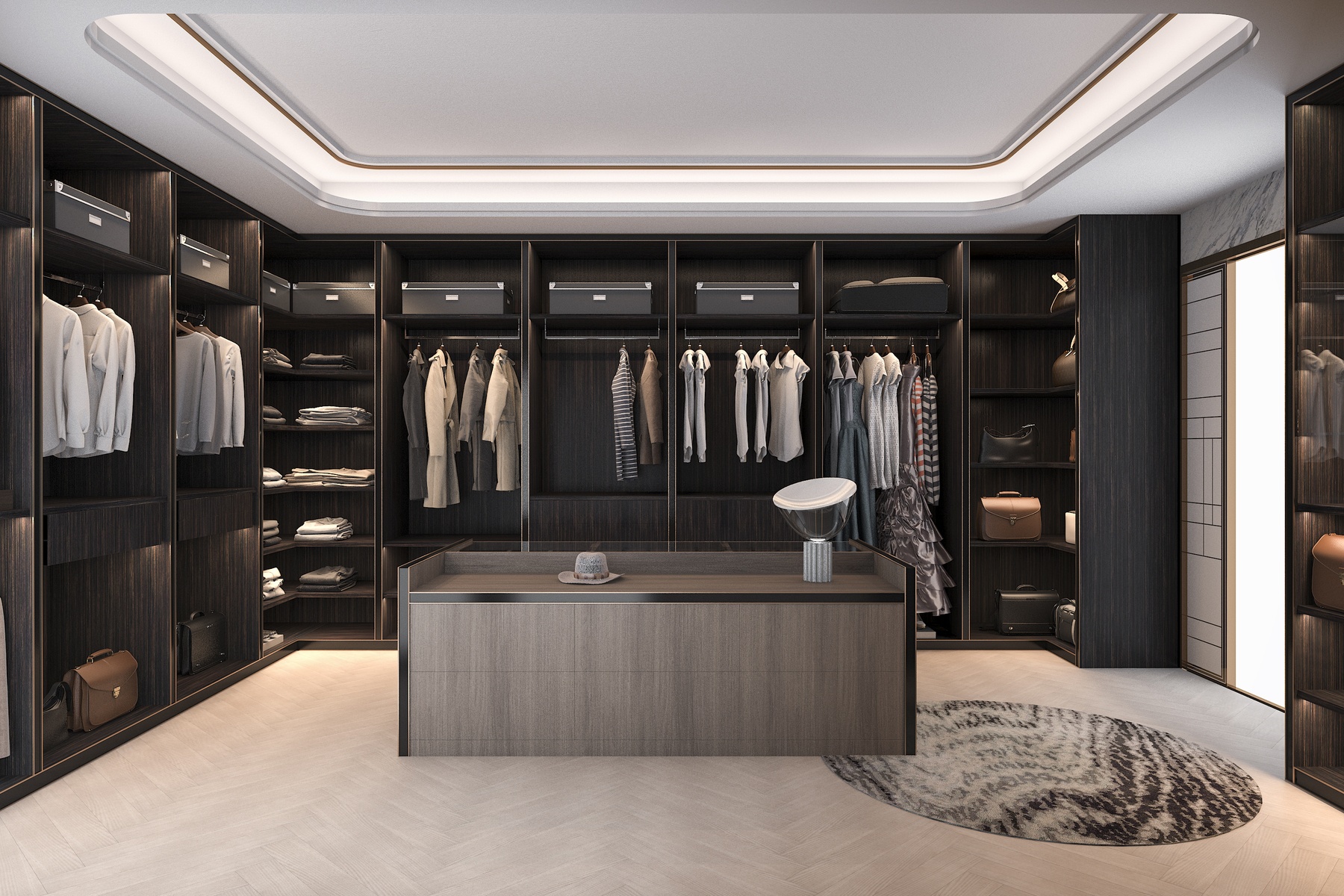
The art of wardrobe planning
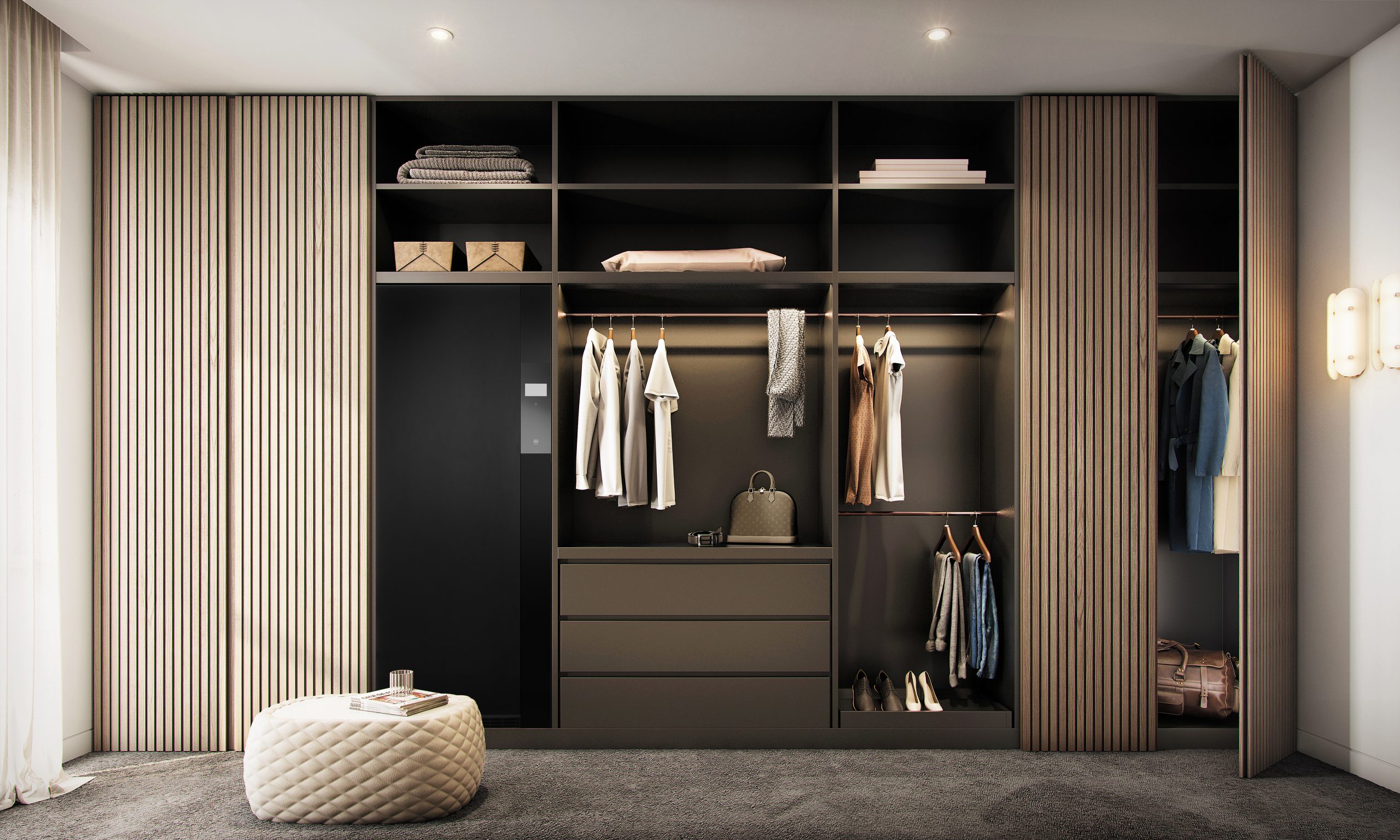
The architecture of wardrobe design has changed immensely in recent years. It is no longer about merely installing storage boxes, but instead it’s evolving into an intrinsic part of house design. Borrowing materials from living spaces, such as wallpaper, fabric, leather or stone, they retain a continuous theme throughout the home, and have emerged as a focal point in private spaces.
In the modern world, our houses are much more than places to live – they’re our sanctuaries from the outside world, an opportunity to express who we are, places where we invite friends and loved ones to entertain, nurture, and show care. Each part of the house has a purpose, and provides an opportunity to create and enjoy our own little corner of the universe – the wardrobe is no exception.
Consequently, wardrobe planning is a growing art form in the most luxurious properties, maximising space, creating different zones, and improving the ambience of the environments where we spend the most time.
The difference between storage and wardrobe design
The distinction between storage and wardrobe planning is where the magic lies. Anyone can buy shelves and hanging rails, but creating a wardrobe that improves daily life requires understanding, intent, and a detailed comprehension of individual needs.
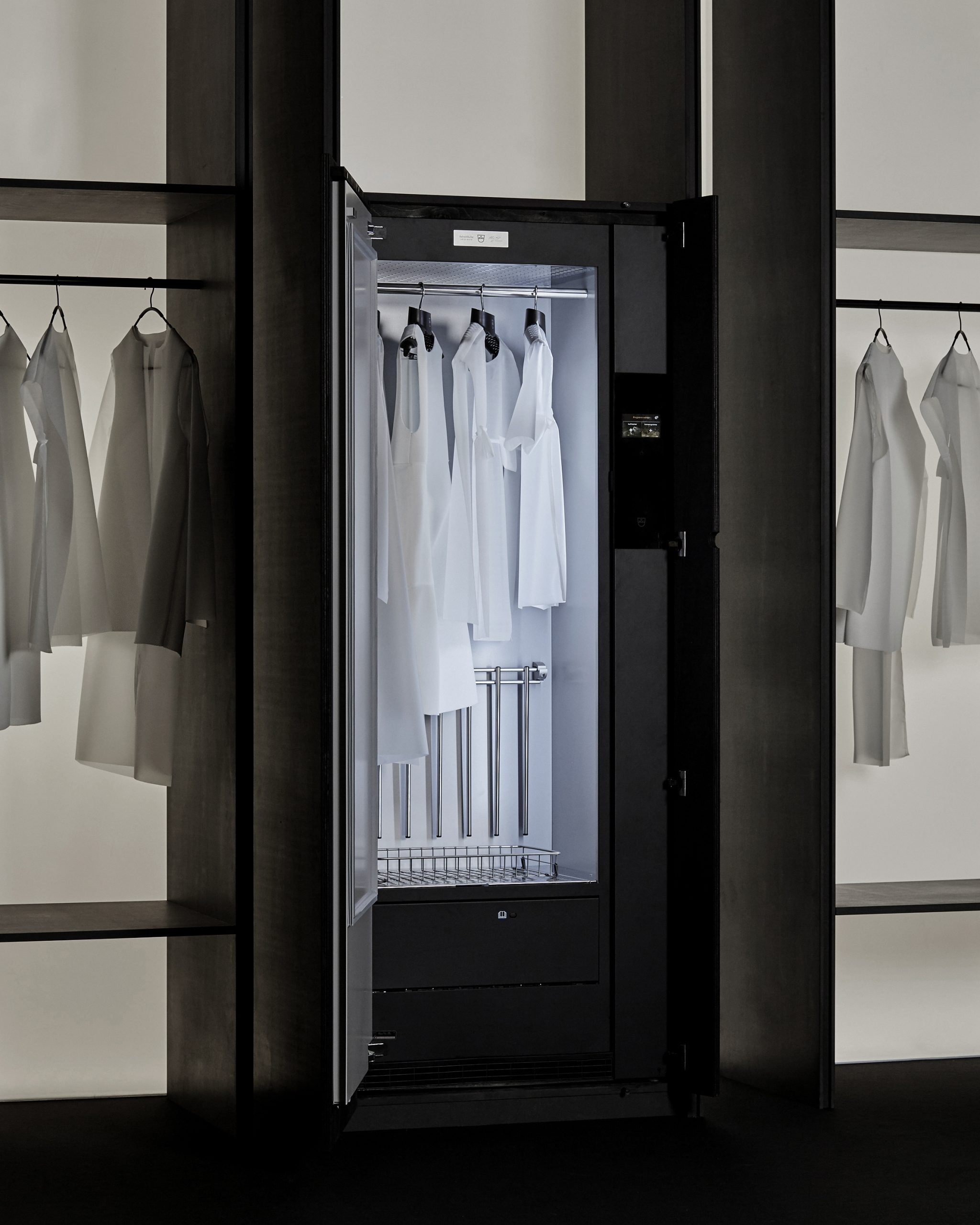
The best designs don’t begin with cabinetry, but with people, considering how the user of the space dresses, what they wear most often, which possessions deserve pride of place and which are best tucked away, as well as how that person moves through their morning and evening routines. You can even take things a step further thanks to technology, with appliances like the RefreshButler V6000 by VZUG – an innovation that refreshes, sanitises, and removes wrinkles from clothes before your next wear.
In short, wardrobe design is personal, focusing on efficacy and accessibility over capacity. We invest considerable amounts in our clothing, accessories, and personal belongings, but typically homes still rely on cookie-cutter storage solutions that make these items difficult to see, reach, or enjoy. It is not uncommon to find beautiful homes with wardrobes that consist of little more than a single hanging rail and a shelf, with shoes lined up on the floor of the cupboard. The room itself may be impressive, but the experience of using it is barely functional.
Turning regular routines into everyday rituals
Like a well-designed kitchen, a wardrobe should be organised around the realities of everyday life. Different garments require varied amounts of space. Formal dresses need markedly different considerations to tailored jackets; knitwear requires a solution that’s unlike that of shoes, handbags or accessories. Understanding these requirements allows designers to create dedicated areas, ensuring that every item has a natural home and can be accessed in a way that feels intuitive.
How often have you thought you lost something because it turns out to be buried at the back of an overcrowded drawer? Or forgotten that you even owned an item because it was hidden on a top shelf? Considered design means treating possessions with care, organising them in a way that supports regular routines and allowing homeowners to make the most of what they own as well as taking pleasure in the daily rituals of life.
Read our blog on how home organisation is a specialist skill.
Storage that works harder and adds value
Having a luxury home doesn’t always mean that it’s got space to spare. For those living in some of the most coveted parts of the world, square footage is a rarity. So, while large dressing rooms continue to capture the imagination, truly successful wardrobe planning is about making that space you have work harder and more intentionally.
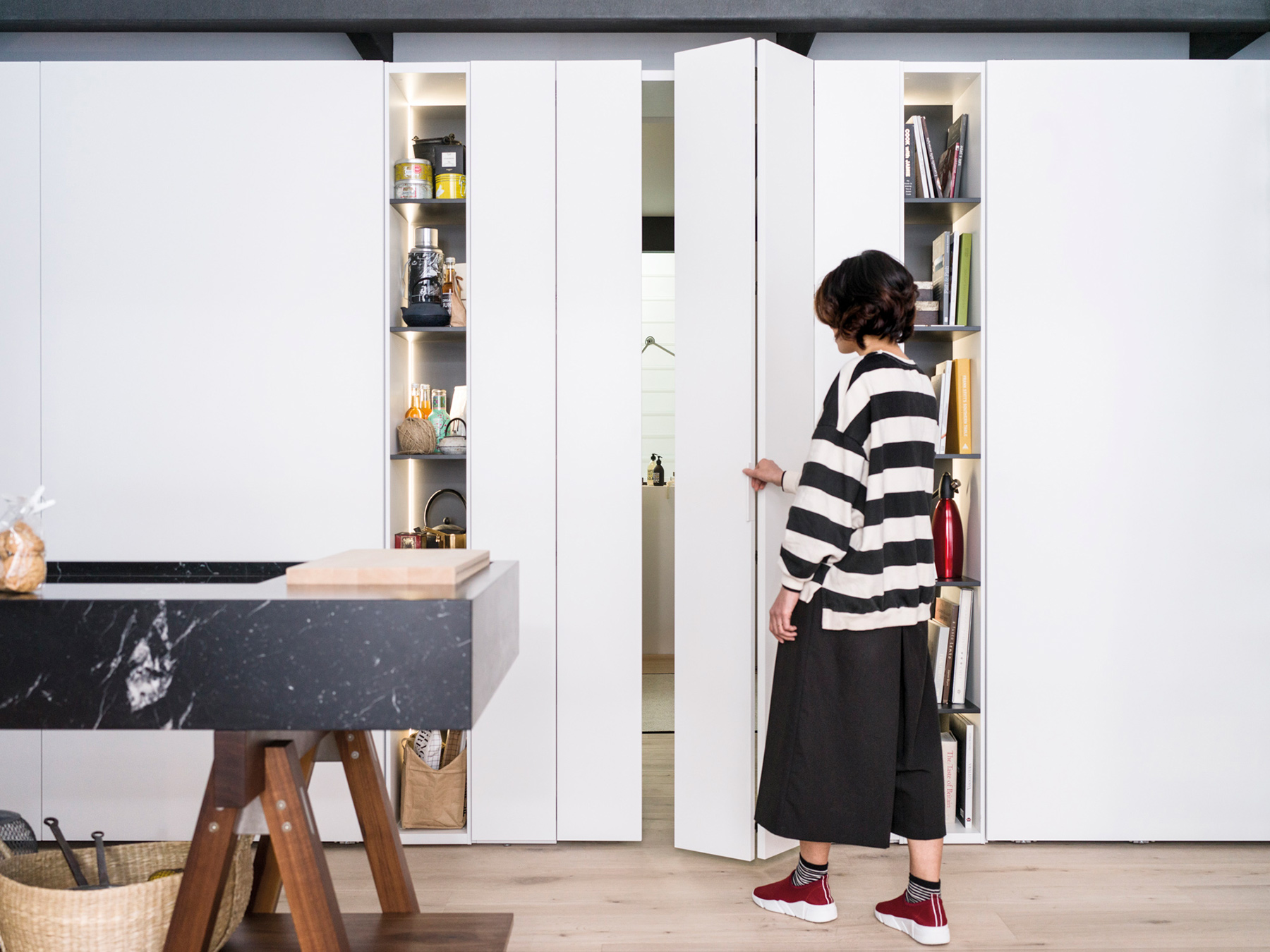
Floor-to-ceiling storage can create significant capacity without taking up usable floorspace, and entire walls can be transformed into beautifully integrated storage solutions that feel architectural rather than functional. However, technology enables us to think beyond the traditional, and amongst some of the most inspiring modern storage solutions are the options that blur the lines between furniture and architecture. They can be used to divide large open-plan rooms, creating privacy and definition without the structural impediments of adding more permanent walls.
Within this context, they can form elegant headboards, conceal utilities, create dedicated dressing areas, or provide storage that can be reached from multiple sides. In this way, a wardrobe becomes a structural element that contributes to the overall experience of a space rather than simply occupying it. For those who do have the space, the walk-in wardrobe is a trend that’s remained enduringly symbolic of luxury living, and implementing it can be artful. For example, at Nicholas Anthony our Camerino range delivers a walk-in wardrobe without the need to build any walls.
This multifunctional approach reflects changing attitudes towards our homes and the way that we value them. Rooms are expected to deliver more, whilst also being cognisant of the evolving needs of modern life – both collectively and for individuals. A home might be a bachelor pad today, but needs to evolve into a family home at some point in the future. An adaptable, modular solution that supports existing owners, or ensures a property has the flexibility to suit a broad demographic of potential buyers, is a valuable asset.
Interior style and personal expression
Another thing to consider is that wardrobes, like other aspects of a property, are more about personal expression than ever before. Not limited to the need to hide everything away, they can also be beautiful display opportunities, strategically positioning select pieces in carefully curated style. The inspiration for such elements is drawn from the world’s most celebrated designer boutiques, with the objective being to capture the same sense of organisation, presentation and ease. Of course, for the valuables that you wish to hide away, wardrobe design can also feature secure safes and hidden compartments.
Shelving, illuminated display areas, glazed cabinetry and open systems to showcase handbags, watches and jewellery allow favourite pieces to become part of the interior design, and work with efforts to bring the high-end shopping experience into the home. Niches with subtle lighting can create areas of interest and display sculptural items, making the concept more artistic, while playing with different materials turns function into form. Wardrobe fronts can be in exquisite veneers or lacquer, plain or framed, hinged, sliding or bifold. Meanwhile, doors can be seamless (push-to-open) or feature bespoke handles made from bronze, wood or leather to add small but important details that elevate the overall feel and function of the system.
When possessions are displayed thoughtfully, seeing them becomes part of the enjoyment of owning them. In that way, the wardrobe evolves from a storage space into a gallery that reflects the tastes and personality of its owner.
Seamless style
Ultimately, true wardrobe design hinges on the same principle as all great home design – it is about improving the quality of everyday life and creating personalised solutions that both serve and reflect the values of the individual. Storage does not need to be an uninspiring necessity – on the contrary, when it’s done well, it should be the source of joy in daily routines, encouraging homeowners to take pleasure in their possessions.
As with all things, the best wardrobes are those that work seamlessly to support the rhythm of daily life, enhancing the ambience of a room and bringing a sense of calm to the spaces we use most but often consider only through the lens of functionality. Far from simply being a place to store clothing, with the right designer at your side, wardrobes become an integral part of how a home works and feels – what a joy that could be.